

For most home studios recording vocals or guitar into a laptop, the Focusrite Scarlett 2i2 (4th Gen) is the interface we’d buy first: two mic preamps, Auto Gain, Clip Safe and Air mode. Street pricing in India often lands near ₹20–25k; Focusrite lists about $224.99 in the US. On a tighter budget, the PreSonus AudioBox USB 96 or M-Audio M-Track Duo still get you recording today.
Audio interfaces compared
| Model | Price | I/O highlight | Best for |
|---|---|---|---|
| Focusrite Scarlett 2i2 (4th Gen) | ~$225 / ~₹25k | 2 combo ins, Auto Gain, Air | Most home studios |
| Universal Audio Volt 2 | ~₹23k | Vintage preamp mode, MIDI | UA colour on a budget |
| Audient iD4 MkII | ~₹18k | Console mic pre, ScrollControl | One serious vocal chain |
| SSL 2+ | ~$300 | Legacy 4K mode, dual phones, MIDI | Producer with a collaborator |
| PreSonus AudioBox USB 96 | ~₹12k | 24-bit/96kHz, compact | Simple starter kit |
| Behringer U-Phoria UMC22 | Budget | 1 mic pre, USB bus power | Cheapest usable preamp |
| Arturia MiniFuse 2 | ~₹14k | USB hub + MIDI | Laptop desk with extra USB |
| UA Apollo Twin Duo | ~$1,200 | UAD DSP, Thunderbolt | Plugin-heavy mixers |
| RME Babyface Pro FS | ~$999 | TotalMix, rock-solid drivers | Low-latency reliability |
| M-Audio M-Track Duo | ~₹7k | 2 combo inputs, bus power | Entry dual-input kit |

Best overall for most rooms: Focusrite Scarlett 2i2 (4th Gen)
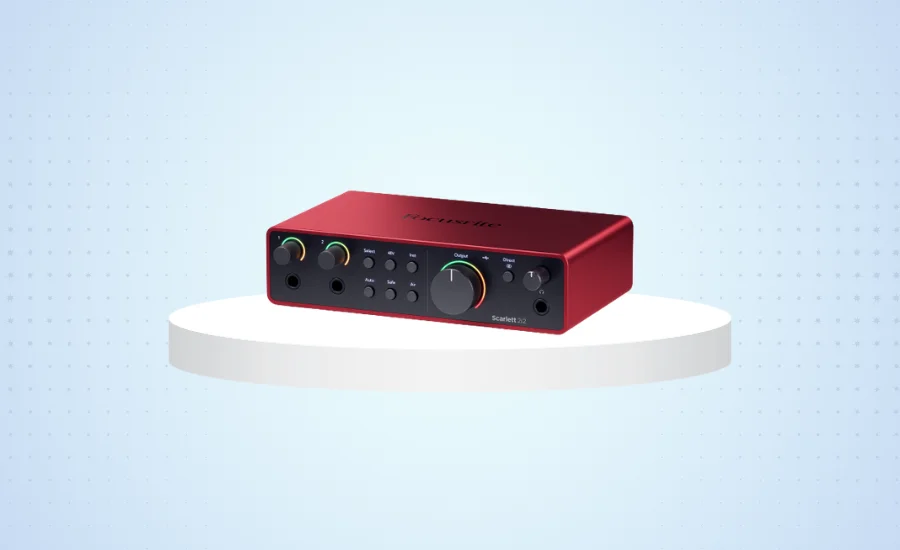
The Scarlett 2i2 4th Gen is a 2-in/2-out USB-C interface with two mic/line/instrument combo inputs, 48V phantom power, Auto Gain, Clip Safe and Air mode. It records up to 24-bit/192kHz and ships with a starter software bundle. Driver support is mature on Windows and macOS.
Skip it if you only ever record one mic and want to spend under ₹10k. Price: about $224.99 on Focusrite’s store; India street prices often near ₹24–25k, checked November 2026.
Best UA flavour without Apollo money: Volt 2
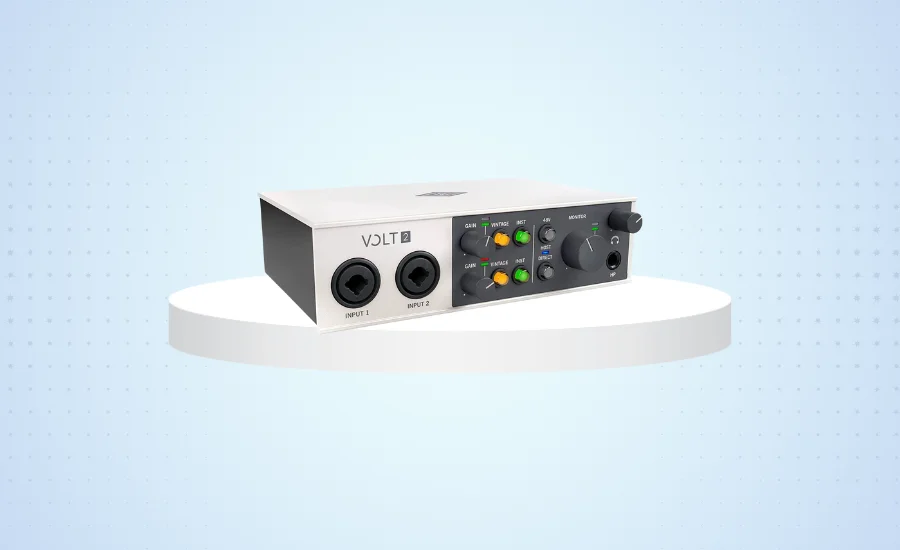
Volt 2 gives two combo inputs, MIDI I/O and a Vintage mic preamp mode for a simple analogue-style boost. It is a USB bus-powered desk unit for singer-songwriters who like UA’s sound without buying DSP hardware.
Skip it if you need onboard UAD plugins while tracking; that is Apollo territory.
Best single serious preamp: Audient iD4 MkII
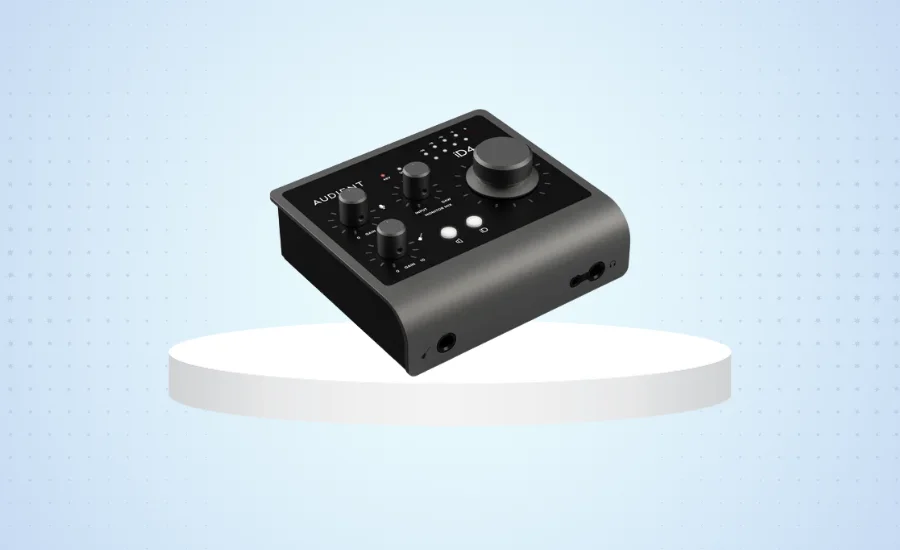
iD4 MkII (Audient) puts a console mic pre and a JFET instrument input on USB-C, with ScrollControl and dual headphone feeds. Ideal when one great vocal or DI chain matters more than two identical preamps.
Skip it if you regularly record two mics at once (podcast hosts interviewing in person).
Best dual-headphone producer box: SSL 2+
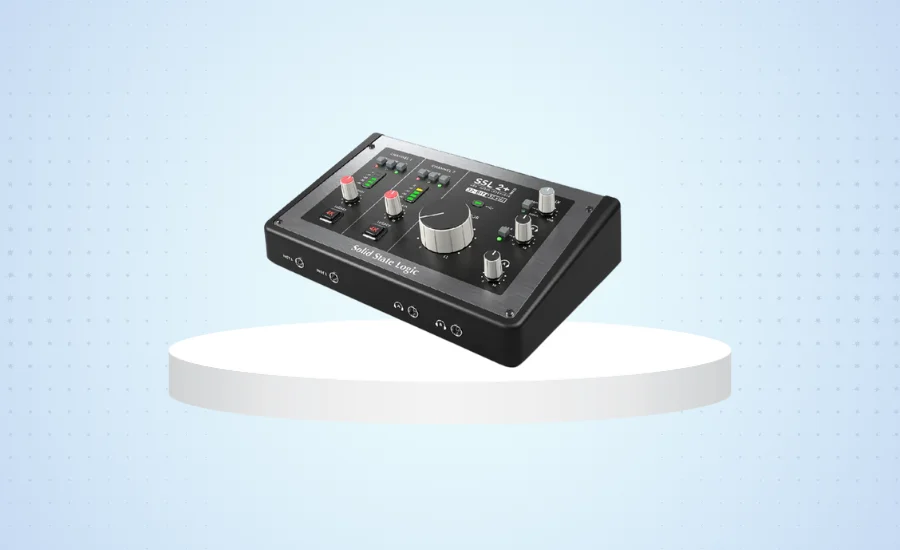
SSL 2+ adds Legacy 4K analogue enhancement, MIDI and two headphone outputs so an artist and producer can monitor together. Software bundles are usually generous. US list pricing sits near $299.99.
Skip it if you work alone with one set of headphones; Scarlett 2i2 is enough.
Best simple starter: PreSonus AudioBox USB 96
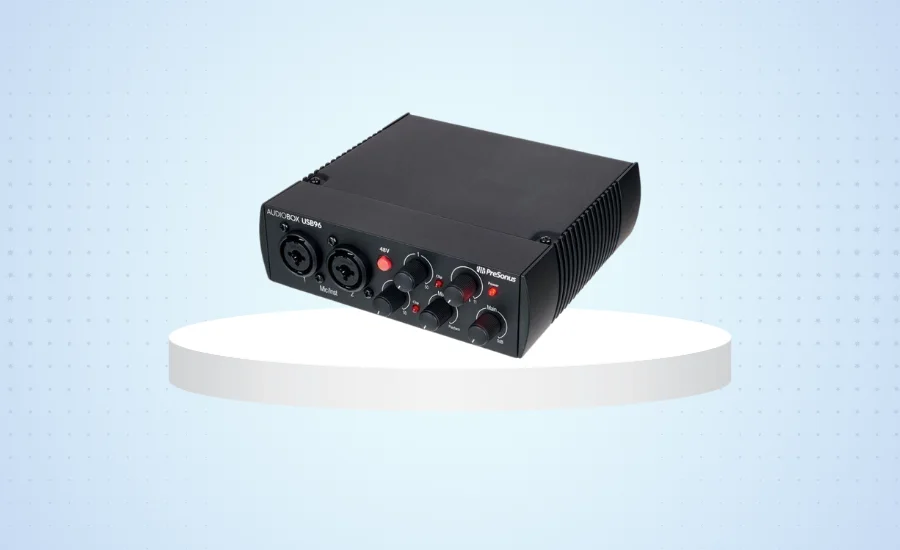
AudioBox USB 96 is a no-drama 2×2 USB box with XMAX-inspired preamps and 24-bit/96kHz conversion in a small chassis. Fine for first songs and Zoom calls that need a real XLR mic.
Skip it if you want modern helper features like Auto Gain; Scarlett 4th Gen feels newer.
Best cheap single-mic pre: Behringer UMC22
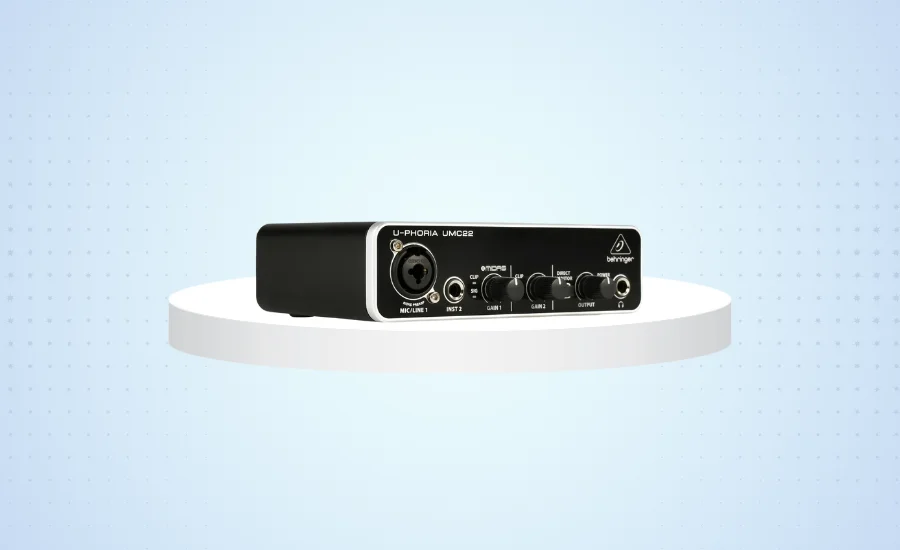
UMC22 is the classic “just get an XLR into the laptop” box with a MIDAS-designed preamp claim and USB bus power. Latency and driver polish trail Focusrite/Audient, but it works for practice takes.
Skip it if you can stretch to Scarlett or Audient; the jump in software and support is noticeable.
Best desk hub combo: Arturia MiniFuse 2
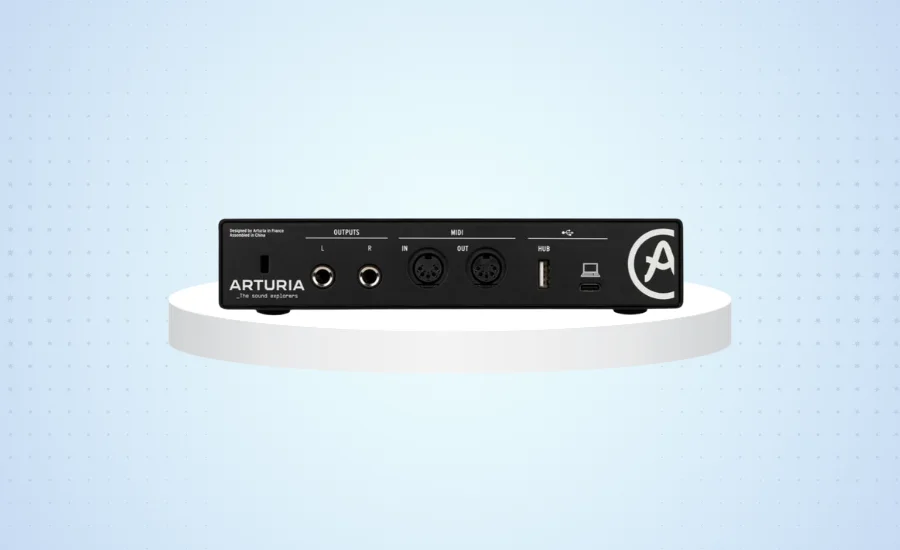
MiniFuse 2 mixes two combo inputs, MIDI and a USB hub so MIDI keyboards and a thumb drive share one laptop port. Handy on thin USB-C notebooks that also need a USB hub or docking station.
Skip it if you already own a powered hub and only care about preamp quality.
Best DSP tracking rig: UA Apollo Twin Duo
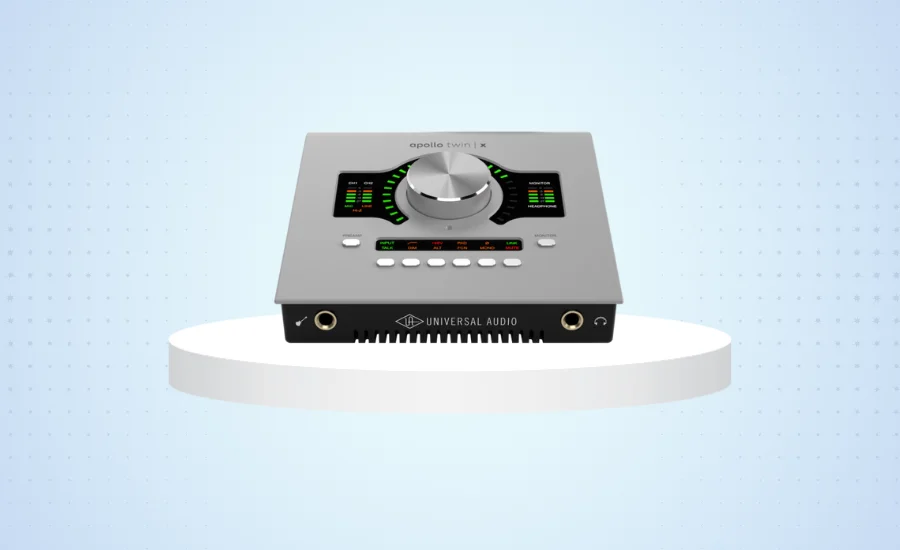
Apollo Twin Duo is a Thunderbolt interface with UAD-2 DUO DSP for near-zero-latency plugin monitoring. It is a different class of spend (~$1,200) aimed at people who already live in UAD’s plugin ecosystem.
Skip it if you are still learning gain staging; buy Scarlett first.
Best driver reliability pick: RME Babyface Pro FS
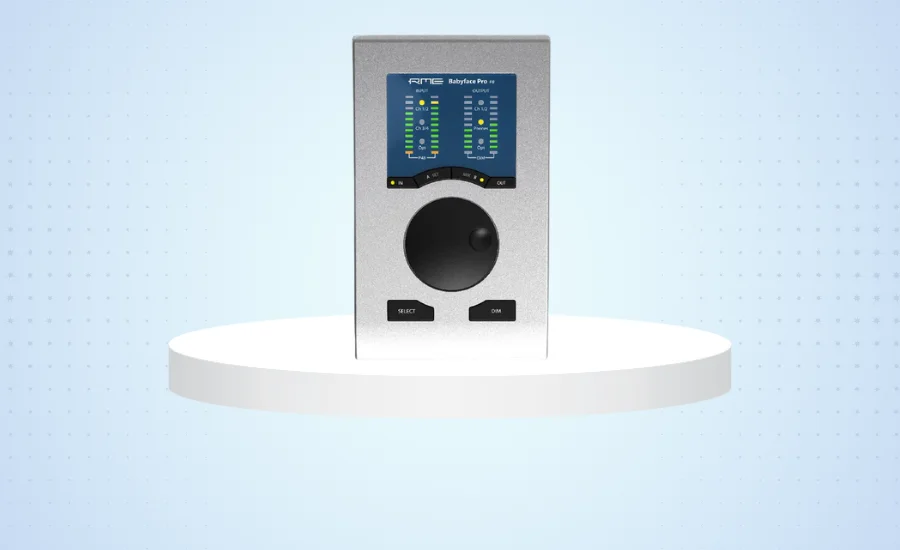
Babyface Pro FS is the “it just works” portable pro box: TotalMix FX, stand-alone mode and RME’s low-latency drivers. Price (~$999) is high for casual creators, low for session work where dropouts cost money.
Skip it if budget is under ₹40k; features will sit unused.
Best entry dual-input kit: M-Audio M-Track Duo
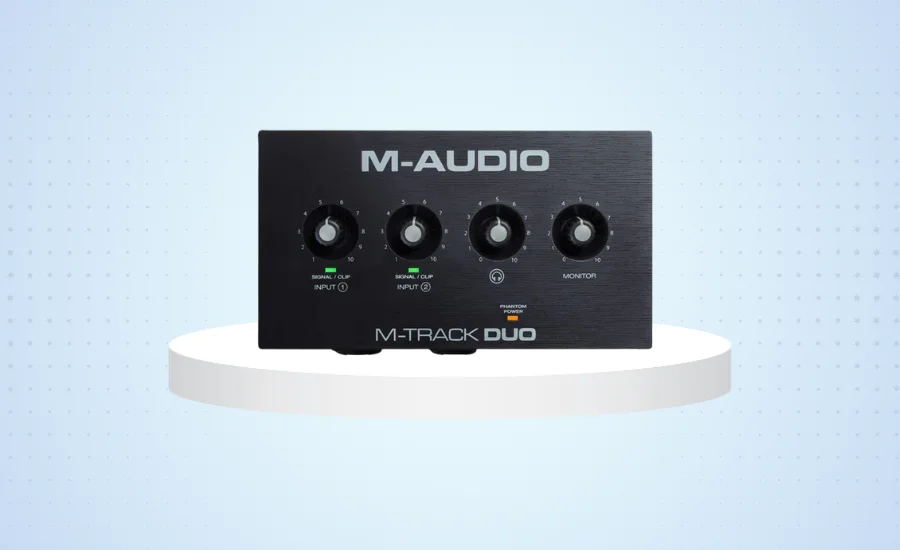
M-Track Duo keeps two combo inputs and a software bundle near ₹7k. Fine for school projects and first podcasts. Upgrade when noise floor or driver quirks start wasting takes.
Skip it if you can reach Scarlett money; the daily experience is smoother.
How to choose an audio interface
- Count inputs. Solo vocals + guitar DI usually need two combo jacks. Podcast duos need two clean mic pres.
- Match the mic. Condenser mics need 48V phantom power. Dynamic mics are simpler but want more clean gain.
- Watch latency. USB-C bus power is fine for songwriting. Thunderbolt/UAD helps only if you monitor through heavy plugins.
- Desk extras. MIDI ports and USB hubs save dongles on travel kits alongside a portable SSD for session backups.
- Mic side of the chain. Pair the interface with a suitable mic from our guides to microphones for podcasting, microphones for streaming or microphones for vocal recording. Creators who film takes may also want a webcam for meetings and streaming.
How we researched this: we did not measure SINAD or loopback latency in a lab. We compared I/O, helper features and list/street prices from manufacturer pages (including Focusrite’s Scarlett 2i2) in November 2026 and kept India ₹ figures as approximate street ranges.
FAQs
Do I need an audio interface for a USB microphone?
No. USB mics already include a converter. An interface is for XLR/instrument mics and when you want better preamps, multiple inputs or lower-latency monitoring through a DAW.
Scarlett 2i2 vs a cheaper Behringer: is it worth more?
Usually yes for daily use. Scarlett’s drivers, metering helpers (Auto Gain/Clip Safe) and software bundle waste fewer takes. Behringer still works if the budget is tight and you accept more manual gain fiddling.
USB or Thunderbolt for a home studio?
USB-C is enough for most songwriters and podcasters. Choose Thunderbolt/UAD when you need DSP plugin monitoring or very large input counts. Match the port to your laptop before you buy.
How much latency is acceptable?
For tracking, aim for buffer settings that keep round-trip latency under about 10ms if you monitor through the DAW. Direct hardware monitoring avoids the issue while recording.